Inclusive Recovery Cities: Our newest addition – St John, New Brunswick, Canada
By David Best & Julie Atkinson

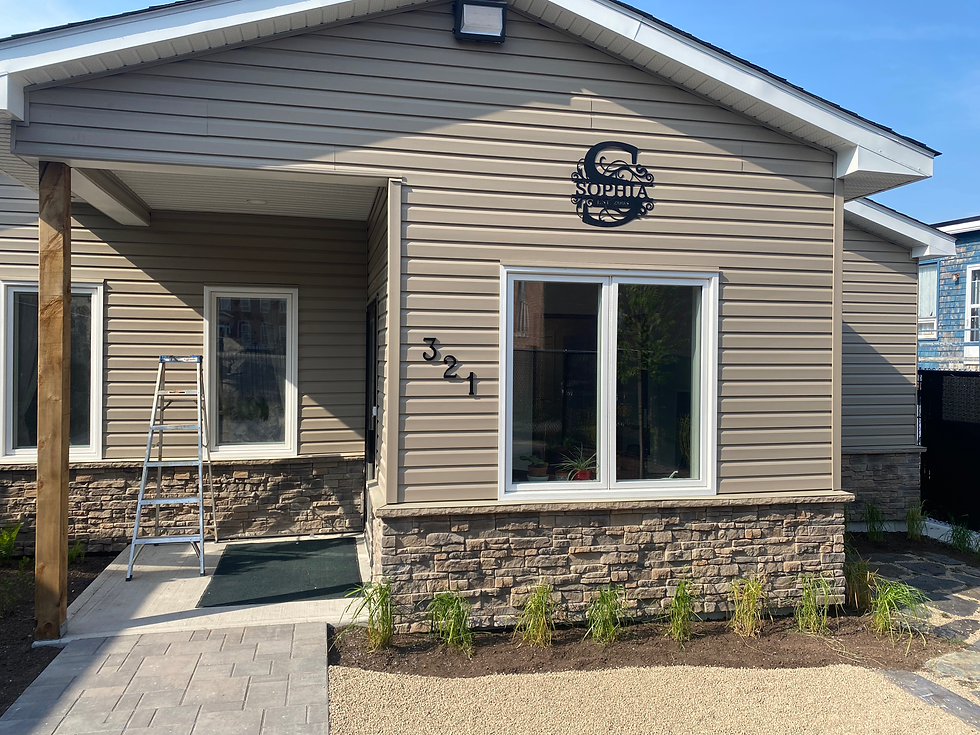
The Inclusive Recovery Cities movement has its origins in a research paper in 2018 based on events in Gothenburg, Sweden and Ghent, Belgium (written by David Best and Charlotte Colman) but, for the UK at least, the current wave of commitment and engagement really dates from the UK launch in Middlesbrough in 2023. In the two years since, we have seen an explosion of interest from the US to Africa to New Zealand. Yet, the idea is remarkably simple – to create a ‘social contagion of recovery’ by public-facing events and activities that aims to make recovery visible, attractive, and accessible that showcase the talents of the recovery community and that contribute to community cohesion and participation. There are now nearly 40 Inclusive Recovery Cities around the world but Saint John, New Brunswick is the first IRC to be formally launched in Canada, primarily based on the efforts of the Sophia Recovery Centre, a not for profit organisation based in the small city located on the Fundy Bay in the Atlantic region of the country.
Established in 2008, Sophia Recovery Centre boasts an established history of harnessing lived experience to support individuals on their recovery journeys, offering peer support programs and a range of holistic wellness and educational programmes from their warm and welcoming community centre in the centre of the city. Under the leadership of Julie Atkinson since 2020, the Centre has amplified the voices of those with personal recovery stories while also demonstrating remarkable resilience and innovation as the landscape of substance use evolved in the aftermath of the COVID pandemic and in the years since then.
Three events were organised to support the launch of the IRC, with David Best providing inspiring and informational presentations. Each event targeted a different population that will be essential in playing a role in the implementation of the IRC model. The starting point, as with all Inclusive Recovery Cities, is a group that will eventually be constituted as the official IRC Council. In Saint John, this group have come together as a transitional entity that will lay the groundwork for the project. They selected the wonderful name of the Trailblazer Committee. This group of local champions are the strategic drivers for IRC in a community, and the aim is to ensure that they are committed to the three underlying aims:
Making recovery attractive, visible and accessible
Providing opportunities for social connection and social cohesion between the recovery community and the wider community
Organising events and activities that showcase the capabilities of the recovery community and contribute to community wellbeing
At this early stage in the project, the Trailblazer Committee brings all of the essential ingredients of energy, imagination and enthusiasm and they have a clear plan for how the template for the IRC implementation model can be adapted to meet the local needs of the community.
Then it was on to the main event, the IRC Launch, which took the form of a breakfast conference, an annual event hosted by the Sophia Centre. On this occasion, the entire event was given over to the IRC launch. The key to having an effective Inclusive Recovery Community is to have a core group of champions who generate a strong radius of trust, connection and shared goals and values, and that is what the IRC Council aims to do; building on the international learning to date and contributing to that shared vision and effort in due course. This forms the core from which effective broader community engagement happens.
The breakfast launch attracted over 400 participants. It began and closed with comments and testimonials from clients of Sophia Recovery Centre, the “first voices” of recovery. Other presentations and discussion were held to raise awareness of the IRC model and to build engagement. Throughout the event, there was the same feeling of shared commitment and engagement and it was incredibly encouraging to see that there is a potential second and much broader radius of trust in the community that can be built on and developed for the approach.
The final meeting of the launch involved a meeting with provincial ministers from the New Brunswick government – Ministers Robert McKee (Justice and Public Safety) and John Dornan (Health), along with a number of key members from their executive teams. They actively engaged in the discussion and were extremely supportive of the initiative. This is critical as, while the IRC movement is primarily a community-based, grassroots approach, it is essential that there is political buy-in to shape local policy and to assist with resourcing of the Inclusive Recovery Cities.
So where does this leave us?
These three initial events represent an incredibly exciting and innovative start for the first IRC in Canada but it is only the start. The engine has been ignited but now the train has to leave the station and passengers need to be collected and carried to their destinations, getting on and off the train as their needs are identified and met.
For this to happen there will have to be a clear vision supported by underlying principles and a sense of cohesion and mission. And there is also a sense of participation and belonging – sharing ideas with other Inclusive Recovery Communities and becoming a part of a learning community committed to recovery and wellbeing. We are off to a wonderful start in Saint John and there is ample energy and lots of passion that can be deployed to highlight and connect the existing assets and develop new strengths, resources and hope. And this will lead the way for the continued appearance and growth of Inclusive Recovery Cities in Canada.


Comments